
The Enneagram
Understand the Patterns Behind How You Lead
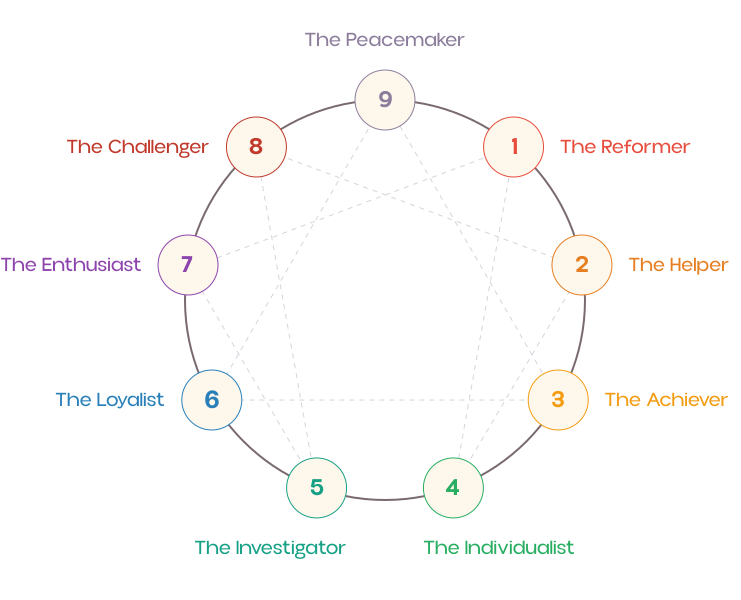
The Enneagram goes beyond describing your personality. It reveals the deeper motivations, habits and blind spots that shape how you lead, make decisions and respond when the pressure is on.
I use the Enneagram in executive and team coaching to help people understand the patterns they may be too close to see, and create more choice in how they respond. That awareness can be the starting point for real behavioural change.
Practitioner with 13+ years Enneagram experience
The Enneagram In Business
Chestnut Paes Academy

Why I Use The Enneagram In My Work
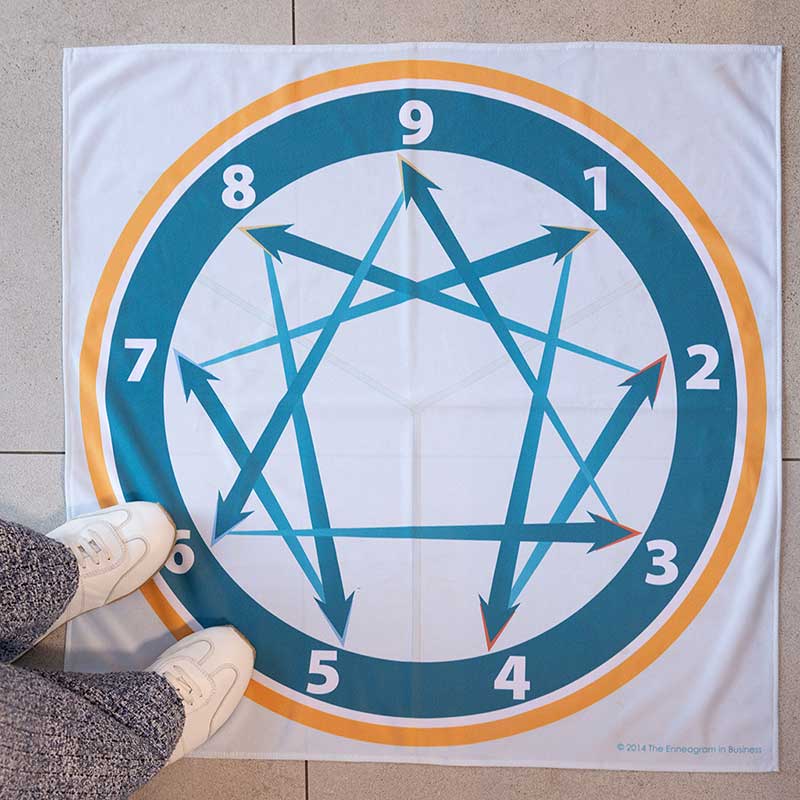
We all develop patterns that help us make sense of the world: ways of thinking, relating, making decisions and responding to pressure. Many of these patterns serve us brilliantly. But because they are so familiar, we can also over-rely on them without realising it. In my Enneagram coaching work, this lens helps surface the core motivations and blind spots that quietly shape behaviour.
The Enneagram helps make those patterns visible. It gives us a way of understanding not only what we do, but why we do it. Two leaders can behave in exactly the same way for completely different reasons, and it is often the motivation underneath the behaviour that holds the key to meaningful change.
That is one of the things that distinguishes the Enneagram from many other personality tools. Frameworks such as Myers-Briggs or DISC can be very useful for understanding preferences and behavioural styles. The Enneagram goes a layer deeper, exploring the underlying motivations, fears and needs that shape those behaviours.
Once you can see your own operating system more clearly, you have more choice. You can recognise when a familiar pattern is helping you, when it is getting in your way, and experiment with a different response. This becomes particularly valuable when the pressure is on, because those are often the moments when our habitual patterns become strongest.

Working With The Enneagram
Individually
I use the Enneagram as part of my executive coaching to help leaders understand the patterns that shape how they lead, relate to others and respond under pressure.
Enneagram coaching can be particularly useful when you are stepping into a bigger role, finding yourself repeatedly caught in the same interpersonal challenges, questioning your confidence, or wanting to broaden your leadership range.
Understanding your type can reveal both the strengths you naturally bring and the behaviours you may over-rely on. Together, we can explore what sits underneath those patterns and where a different response might create greater impact.
The aim is not to change who you are. It is to give you greater awareness and more choice in how you lead.

With Leadership Teams
The Enneagram can also be a powerful tool in team coaching and leadership team development.
Every team develops patterns. Some help the team perform brilliantly; others can lead to recurring tension, unspoken disagreement, avoidance of conflict or frustration with people who simply seem to see the world differently.
Using the Enneagram helps a leadership team understand what each person brings, what they need from others and how their different motivations influence communication, decision-making and behaviour under pressure.
It can help teams move beyond simply describing their differences to understanding what sits underneath them. That deeper understanding can create more productive challenge, stronger relationships and greater flexibility in how the team works together.
A Few Words About Working With The Enneagram And Teams

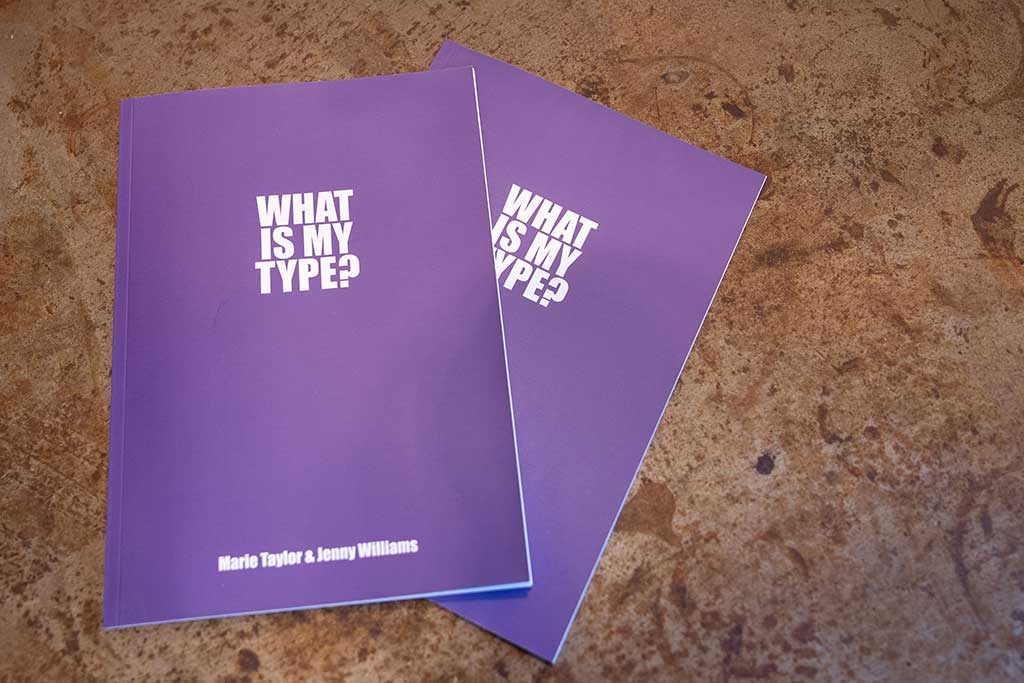
What Is My Type? — A Practical Guide to Understanding Yourself & Others at Work
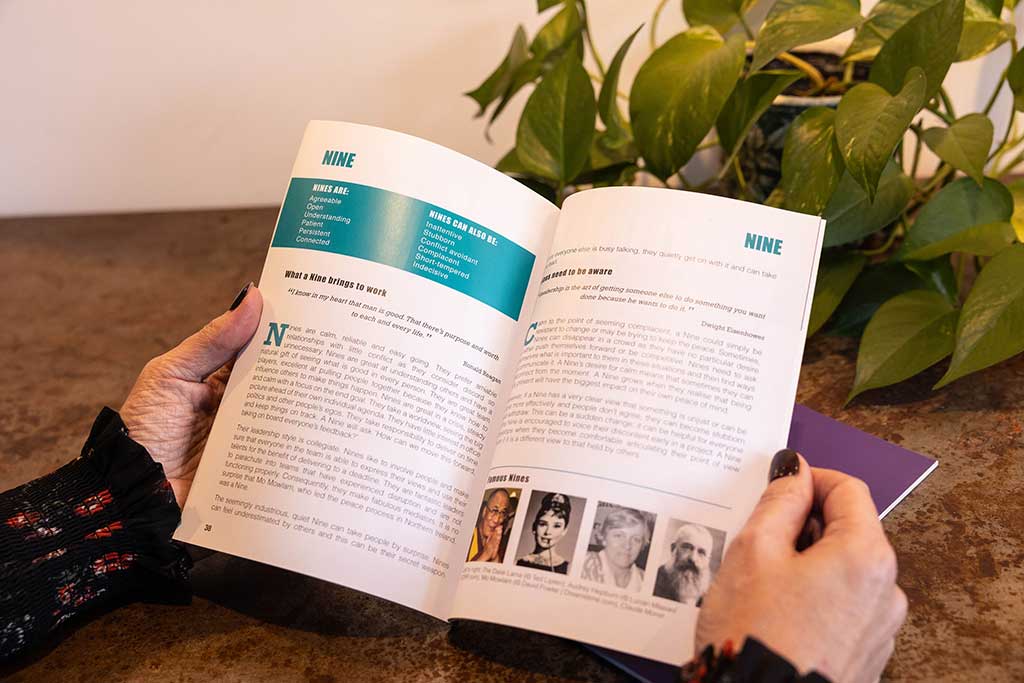
What is my type? is a straightforward introduction to the nine Enneagram types and how they can show up in working life.
The guide explores the strengths and challenges associated with each type, the contribution each may make at work, how different types can relate to one another, and how you can work more effectively with people whose way of seeing the world is very different from your own.
It is designed as an accessible starting point for anyone curious about the Enneagram, whether you are beginning to explore your own type or want to better understand the people you work with.
In the guide, you will explore:
- the nine Enneagram types
- the strengths and potential blind spots of each type
- how each type may show up at work
- different leadership tendencies
- how to work and communicate more effectively with each type

Thinking Out Loud about The Enneagram

The Enneagram Types Relationship to Doubt 3: The Head Centres (Types 5,6,7)
In The Enneagram Types...

The Enneagram Types Relationship to Doubt 2: The Heart Centres (Types 2,3,4)
In The Enneagram Types...

The Enneagram Types Relationship to Doubt 1: The Body Centres (Types 8,9,1)
In The Enneagram Types...
What My Clients Say About Working With The Enneagram
FAQs
What is the Enneagram and how do you use it in coaching?
The Enneagram is a brilliant way of spotting the patterns we’re all a bit too close to see — the habits that serve us, the ones that sabotage us, and the stories we keep running in the background.
I use it in Enneagram coaching because it cuts through the noise. It helps you understand why you react the way you do, why certain people wind you up, and why some situations feel harder than they should.
It’s a deep psychological tool that shows us where we can grow, what reliably gets us into bother, and — most importantly — what we can do about it.
Do I need to know my Enneagram type before working with you?
The short answer is No.
You don’t need any prior knowledge of the Enneagram to begin coaching. When it’s used, the Enneagram is introduced carefully and only where it adds value — as a tool for insight and growth, not as a label or requirement.
For some people, the Enneagram becomes a helpful lens within the coaching; for others, it plays a much lighter role or isn’t used at all. The focus remains on what will be most useful for you, your context and the questions you’re working with.
How do you use the Enneagram in coaching without putting people in boxes?
I always think of your Enneagram type as a starting point, not a definition.
Understanding your type offers a place to begin — a way of noticing the patterns that tend to shape how you think, respond and lead, particularly under pressure. In my experience, this awareness doesn’t limit people; it creates more freedom. It helps you recognise when you’re on autopilot and opens up new ways of responding.
In my coaching, the Enneagram is used to widen possibilities rather than narrow them — supporting insight, choice and development without reducing anyone to a label.
I am interested in finding out more about the Enneagram can you recommend any other resources to learn about it?
Yes — there are many thoughtful and well-respected resources available, and people often find it helpful to explore a range of perspectives.
For those looking for a solid foundation, the Enneagram Institute offers a well-established introduction to the system. The Paes Chestnut Academy provides deeper psychological and developmental perspectives, particularly useful for those interested in growth and transformation.
The Enneagram in Business is a helpful resource for exploring how the Enneagram can be applied in organisational and leadership contexts.
Can your Enneagram type change over time?
The Enneagram proposes that our core type remains consistent throughout our lives, although how we experience and express it can change considerably.
As we become more self-aware, we are less likely to operate automatically from the habitual patterns associated with our type. We can develop greater flexibility, draw on a wider range of behaviours and respond differently to situations that might once have triggered a familiar reaction.
For me, that is the real value of the Enneagram. It is not about putting yourself in a box, but about understanding the box well enough to have more choice about when you step outside it.
Is the Enneagram scientifically validated?
The Enneagram has a growing body of research behind it, although the evidence is not as extensive as for some other personality models. Studies have found support for aspects of the Enneagram and links between Enneagram types and established personality measures, while research into some elements of the model remains less conclusive.
The Enneagram also draws on a much longer tradition of thinking about human behaviour and development. I use it in coaching not as a diagnostic test, but as a framework for exploring the deeper motivations and patterns that shape how we think, relate and lead. In my experience, it can generate remarkably powerful insight and behavioural change.